MahaShivratri 2026: The Great Night of Divine Union
Once a year, as the moon wanes and the world prepares for the coming spring, a profound stillness descends upon the spiritual landscape. This is not the silence of absence, but the silence of presence—a night when the veil between the material and the mystical grows thin. This is MahaShivratri 2026, the Great Night of Shiva.
More than just a festival, MahaShivratri 2026 is a cosmic event. It is an invitation to pause, to turn inward, and to touch the very source of consciousness that resides within us all. In 2026, we are invited to embark on this sacred journey on Sunday, February 15th, with sacred timings and observances extending into the early hours of Monday, February 16th.
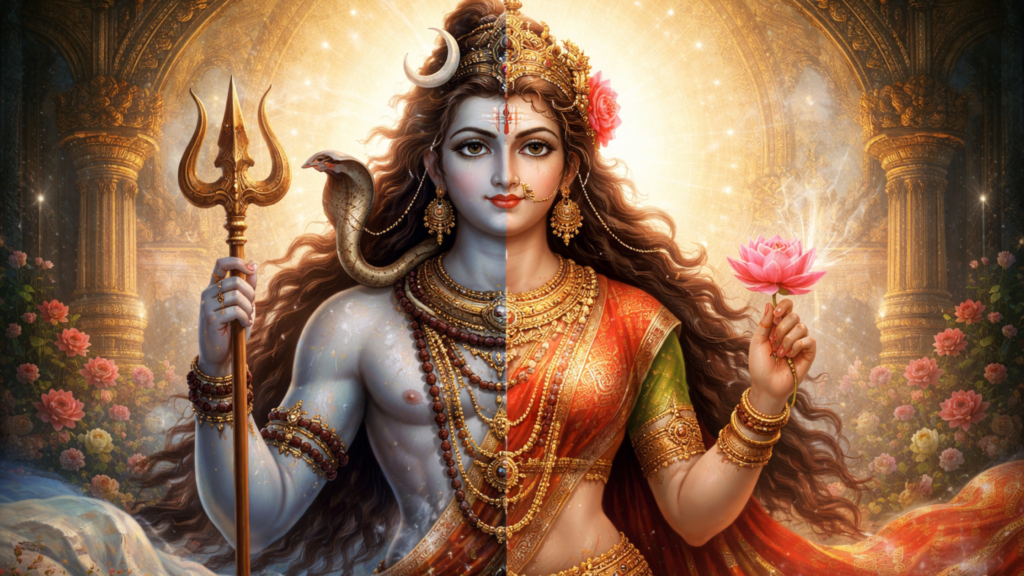
This night is not about revelry; it is about reverence. It is a powerful celebration of the divine union of Shiva, the absolute, formless consciousness, and Shakti, the dynamic, creative energy of the universe. It is a reminder that within each of us lies this same potential for a perfect, harmonious union.
Why We Celebrate: The Legends of Maha Shivratri
The reasons we honor this sacred night are as deep and varied as the rivers of India. Each story is a brushstroke painting a larger picture of divine truth:
- The Celestial Wedding: Many celebrate this as the night Lord Shiva and the Goddess Parvati were married, symbolizing the sacred union of masculine and feminine energies that pervades all creation.
- The Cosmic Dance (Tandava): For others, it marks the moment Shiva performs his fierce and beautiful Tandava, the dance that orchestrates the cosmic cycles of creation, preservation, and dissolution.
- The Savior’s Sacrifice (Neelkanth): A powerful legend recalls the Samudra Manthan (the churning of the cosmic ocean), when a deadly poison, Halahala, emerged. To save the universe, Lord Shiva calmly drank the poison, which his consort Parvati held in his throat, turning it blue. This act of ultimate compassion is honored on this night.
At its heart, each story points to a single truth: Maha Shivratri is the night we celebrate overcoming the darkness of ignorance, conquering the ego, and awakening to our own inner light.
MahaShivratri 2026: Sacred Date and Puja Timings
According to the Hindu lunar calendar, Maha Shivratri falls on Phalguna Krishna Chaturdashi. For devotees in India, this aligns with February 15, 2026.
The true power of the festival unfolds during the night. The most auspicious time for worship is the Nishita Kaal Puja, which in 2026 will be from approximately 12:02 AM to 12:56 AM on February 16th.
The entire night is divided into four sacred phases, or Prahars, each with its own puja:
- First Prahar Puja: 6:11 PM – 9:23 PM (Feb 15)
- Second Prahar Puja: 9:23 PM – 12:35 AM (Feb 16)
- Third Prahar Puja: 12:35 AM – 3:47 AM (Feb 16)
- Fourth Prahar Puja: 3:47 AM – 6:59 AM (Feb 16)
The sacred fast is traditionally broken (Parana) after sunrise on February 16th, once the night of devotion is complete.
The Path of Devotion: Key Rituals and Their Meaning
The rituals of Maha Shivratri are beautifully symbolic, designed to purify the body and focus the mind.
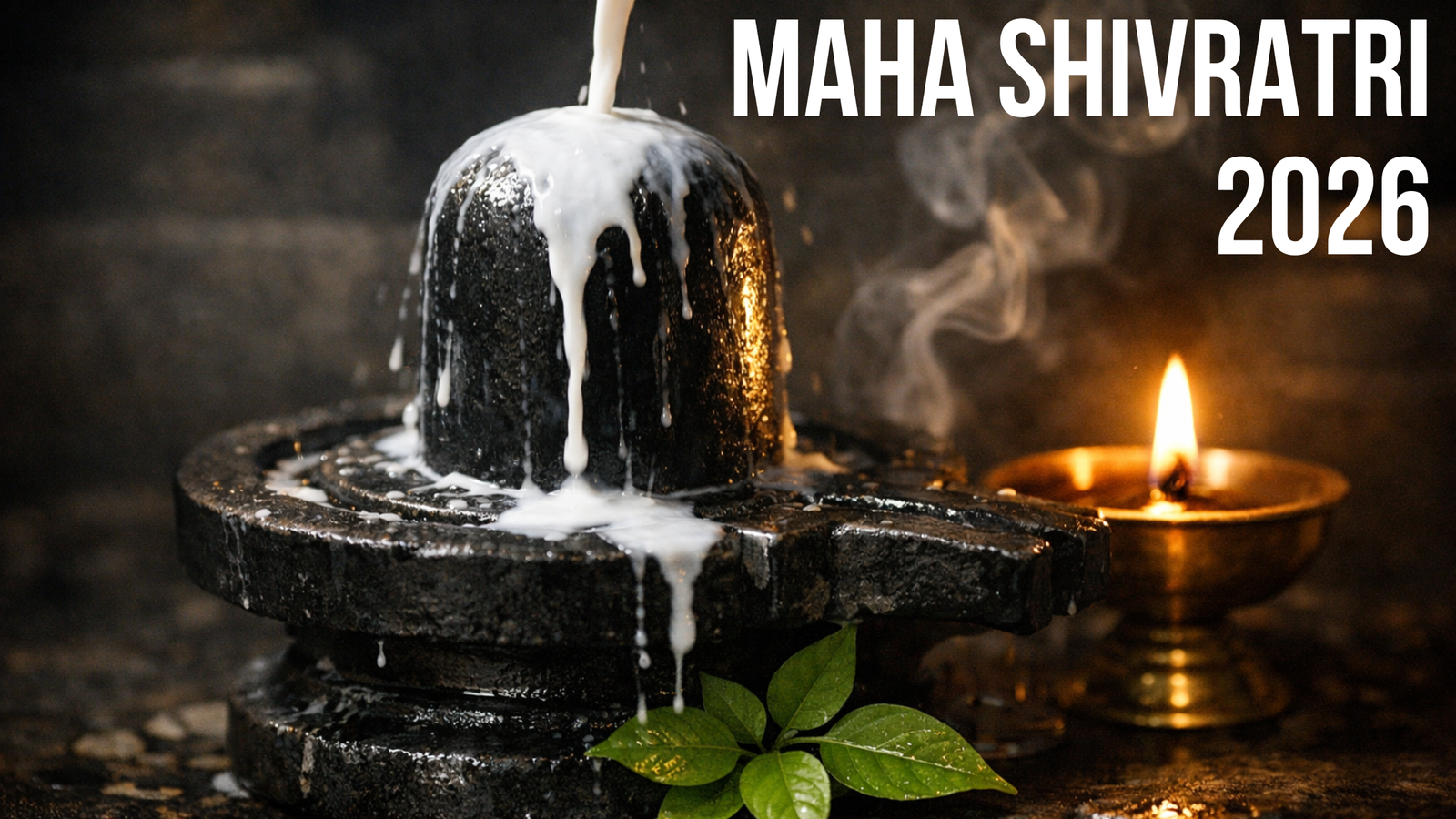
- Abhishekam (Sacred Bathing): The Shivling, a representation of the formless divine, is lovingly bathed with offerings like milk, honey, ghee, and sacred water. This is an outer act of an inner process: cleansing our own consciousness of impurities.
- Offerings of Bilva Leaves: The three-lobed Bilva leaf is particularly dear to Lord Shiva, representing his three eyes and the trinity of creation, preservation, and destruction. Offering it is a symbol of surrendering our ego.
- Jagarana (The Night Vigil): Staying awake all night is not a penance, but a powerful act of awareness. It symbolizes our commitment to remain vigilant and conscious, refusing to let the darkness of ignorance or lethargy take over.
- Fasting: Abstaining from food (ranging from a strict nirjala fast without water to a simpler fast of fruits and milk) helps to quiet the senses and direct all our energy toward the divine.
- Chanting “Om Namah Shivaya”: This sacred mantra is chanted throughout the night. It is a powerful vibration that stills the mind and aligns our energy with the universal consciousness of Shiva.
A Tapestry of Celebration Across the World
From the snowy peaks of the Himalayas to the southern shores, MahaShivratri 2026 unites over 300 million souls in a shared wave of devotion.
In Karnataka, temples like Dharmasthala host grand ceremonies. In Himachal Pradesh, the famous Mandi fair sees over 200 deities assemble. In Tamil Nadu, devotees undertake the 14 km barefoot Girivalam procession around Arunachala hill. In Ujjain’s Mahakaleshwar, masses gather for spectacular rituals.
This devotion knows no borders. Nepal’s Pashupatinath temple attracts millions, including enigmatic sadhus. Even in Pakistan’s Umarkot, a historic Shiva temple draws over 250,000 pilgrims. This is the beauty of Maha Shivratri: it is a deeply personal, inward journey, yet it is one we take together as a global community of seekers. It is a night to be still, to listen, and to realize that the entire universe—in all its magnificent energy and profound stillness—resides within you.
Om Namah Shivaya.
Frequently Asked Questions (FAQs)
The main significance of Maha Shivratri is spiritual awakening and the celebration of the divine union of consciousness (Shiva) and energy (Shakti). It symbolizes the overcoming of darkness, ignorance, and ego. For devotees, it is a powerful night for introspection, meditation, and seeking liberation (moksha) by clearing past karmas.
While the monthly Shivratri (Masik Shivratri) occurs every lunar month and is a day for devotion to Lord Shiva, Maha Shivratri is the “Great Night of Shiva,” which happens only once a year. Maha Shivratri is considered the most powerful and auspicious of all Shivratris, marked by stricter observances, an all-night vigil (jagarana), and is believed to have a more profound spiritual impact.
Fasting rules vary by personal and family tradition. Many devotees observe a strict nirjala fast (no food or water). A more common fast involves abstaining from grains, salt, and pulses. Permissible foods typically include fruits, milk, yogurt, nuts, and certain root vegetables like potatoes or sweet potatoes, often prepared without regular salt (rock salt or sendha namak is used instead).
While rituals like abhishekam and offering Bilva leaves are significant, the most important practice on Maha Shivratri is maintaining a state of inner awareness. The all-night vigil (jagarana) is meant to keep the mind conscious and focused on the divine, rather than succumbing to sleep or worldly distractions. Chanting the mantra “Om Namah Shivaya” and practicing meditation are key to harnessing the powerful spiritual energies of the night.